Rogue Point How to Get Better Weapons
Earn, unlock, and share an arsenal without turning the next raid into a paper tiger.
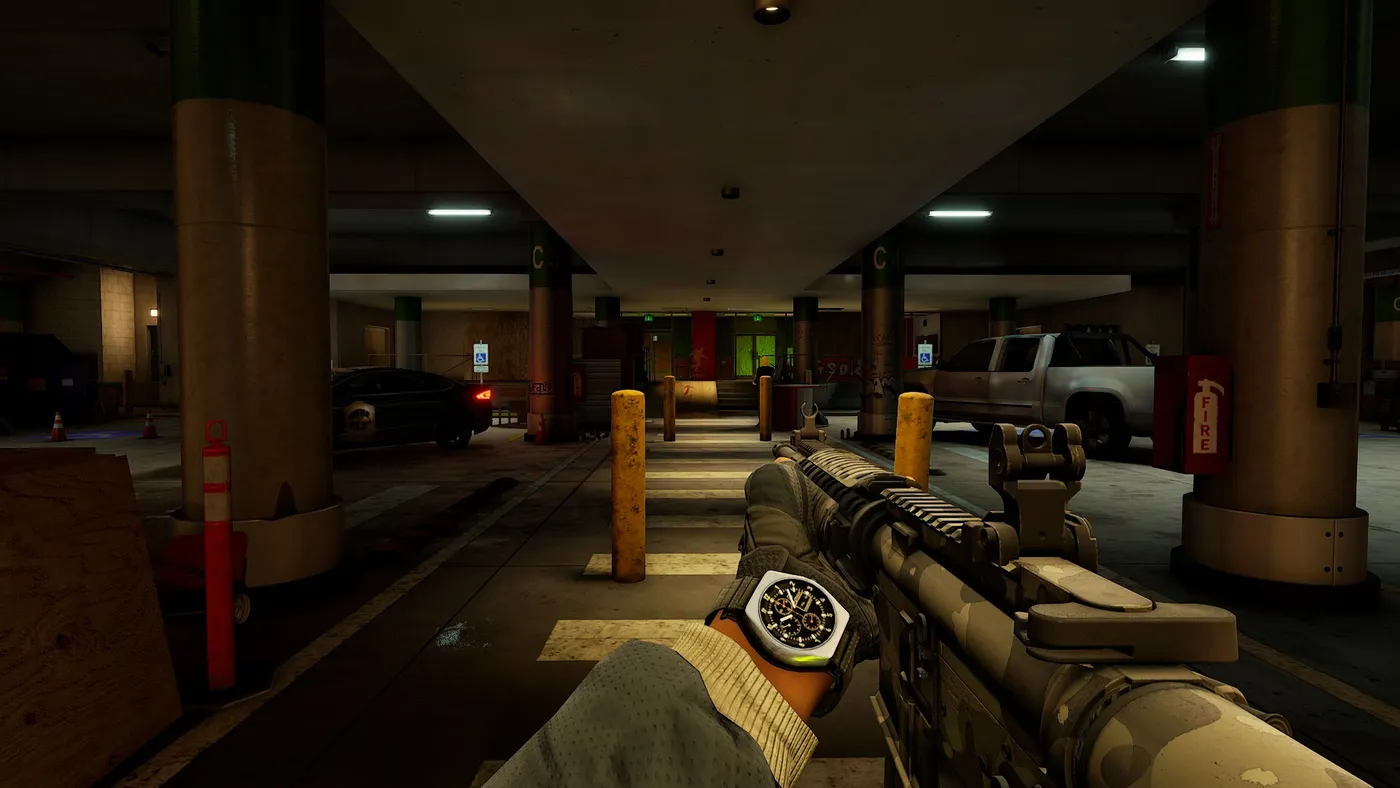
Better weapons in Rogue Point come from three pipes: mission cash performance, Dead Drop luck or lockers, and campaign unlock routes that surface hidden guns as you complete runs. The trap is chasing rarity while the squad lacks armor, ammo support, and extract utility.
Earn cash like a squad
Performance payouts reward clean play: objective pace, headshots, stealth bonuses where available, and alive extracts. Splitting for private loot often lowers total cash and raises wipe chance. Bank early money into survival tools, then upgrade the seats that fail first — usually the entry rifle or the long-lane gun.
Cross-link your spending plan with Items, Loadouts, and Loadout Planner.
Dead Drops as a progression accelerator
Use rolls when a teammate is undergunned for the next difficulty spike, not as a slot machine between every mission. Mission lockers via phones can replace lost kits after a wipe. Full rules live in How to Use Dead Drops and Dead Drops.
Attachments and ammo types
Attachments unlocked through weapon kills change handling, optics, and magazine behavior. Armor-piercing ammo transforms HVT and heavy fights by letting you commit body damage instead of fishing forever for helmet breaks. Prioritize attachments that fix your personal fail state: recoil for door fights, optics for airport lanes, magazines for extract sprays. Details: Attachments.
Comfort beats rarity
A controllable mid-tier automatic clears more campaigns than a rare gun that forces panic reloads. Test new weapons in easier contracts before taking them into 5-Star or late-phase missions. The tier list ranks practical strength, not screenshot flex.
Sharing and backpack reality
You cannot solve ammo alone if teammates never carry support. Enemy weapons do not simply restock your magazine the way some looter shooters do. Coordinate ammo boxes, shared guns, and who holds the backpack utility. This is why Rogue Point feels like a co-op economy, not four solo inventories.
Progression checkpoints
- Stable starter automatic + armor + medkit
- Role-specific second seat (smoke utility or long-lane)
- AP-capable HVT kit
- Dead Drop or unlock specialty weapons for endgame mercs
- Attachment completion on your main two guns
Continue with Campaign Progression, Beat the 5-Star Merc, and Extraction.
Attachment grinding without throwing campaigns
Pick one main and one backup. Play them until handling attachments land. Hopping across five novelty guns resets your muscle memory and your unlock timers. Profile progression rewards loyalty to a controllable platform.
When scavenged guns are correct
If your primary is dry and a scavenged automatic is full, swap. Ego about “my loadout” is how extracts die. Secondary discipline is part of getting better weapons in practice, not only in the store.
Operator field notes for guides how-to-get-better-weapons
Treat this page as a living checklist for Rogue Point rather than a novel. Before a session, skim the headings and decide which fail state you are solving tonight: doors, lanes, heavies, economy, or extract. After the session, rewrite one habit in your squad chat using language from this page so the next raid starts with shared vocabulary.
Planning board habits
Open the tactical map with microphones on. Narrate intel spends out loud. If nobody can explain why a reveal matters, skip it and buy survival gear instead. Parametric layouts punish silent Ready spam. The planning phase is where campaigns are won cheaply; gunfights are where you pay for planning mistakes.
Mid-raid repair loops
When a room breaks, reset to the previous doorway, reload behind cover, and reassign who owns the first angle. Do not “push to make up time.” Rogue Point’s campaign timer is your remaining lives, not a speedrun clock. If two players are dry, the objective marker can wait thirty seconds.
Extract contract
Agree that optional loot after the objective is banned unless every seat reports green on ammo, armor, and smoke. Say the ban out loud. Most wipes that feel random are actually unspoken greed. Dead Drops, stash rooms, and phones are tools — not obligations.
Economy honesty
Cash spent on a novelty gun while the smoke seat is empty is a team decision, not a personal flex. Share strong rolls. Fund armor before cosmetics. Keep an ammo plan that assumes level pickups will be scarce. If your lobby argues about skins more than extract utility, pause the campaign and reset priorities.
Role language
Keep four jobs in circulation even if players rotate: entry, smoke, long-lane, rear/utility. On three-player nights, merge rear into utility and accept slower clears. Solo operators must invent trade windows with utility and positioning because no teammate will create them.
Map personality reminders
Airport and oil-rig exteriors punish impatient peeks. Mall and clinic interiors punish tunnel vision on the wrong floor. Office corridors grade door discipline every thirty seconds. Learn the personality, then let parametric spawns surprise you inside a stable habit framework.
Enemy priority reminders
Snipers deny lanes. Berserkers deny space. Lookouts deny focus. Heavies deny magazines without a plan. Soldiers punish neglect during extracts. Call the denial piece first. The 5-Star Mercenary is a room-control exam wrapped around a damage check — clear geometry before ego peeks.
Tooling
Use the loadout planner when roles feel messy. Use the mission checklist before deploy, before the objective trigger, and before extract. Tools exist to make disagreements visible while you can still buy smoke.
After-action questions
- What almost wiped us?
- Which job was missing?
- Did we break the post-objective loot ban?
- What durable unlock did we still earn tonight?
Answer those four and this wiki page did its job — even if the campaign ended early.
Frequently Asked Questions
Quick answers for Rogue Point operators.
Do I need the rarest gun to progress?
No. Controllable mid-tier guns with armor, medkits, and ammo discipline clear more campaigns than one expensive rifle and empty utility.
How do attachments unlock?
Many attachments unlock through kills with that weapon and campaign play. Use a gun you can control so unlocks happen while you survive.
Should we share gear?
Yes. Shared weapons and backpack utility keep underfunded teammates alive for the next raid.