How to Use Dead Drops in Rogue Point
Risk-reward rolls, mission lockers, and the greed rules that keep campaigns alive.
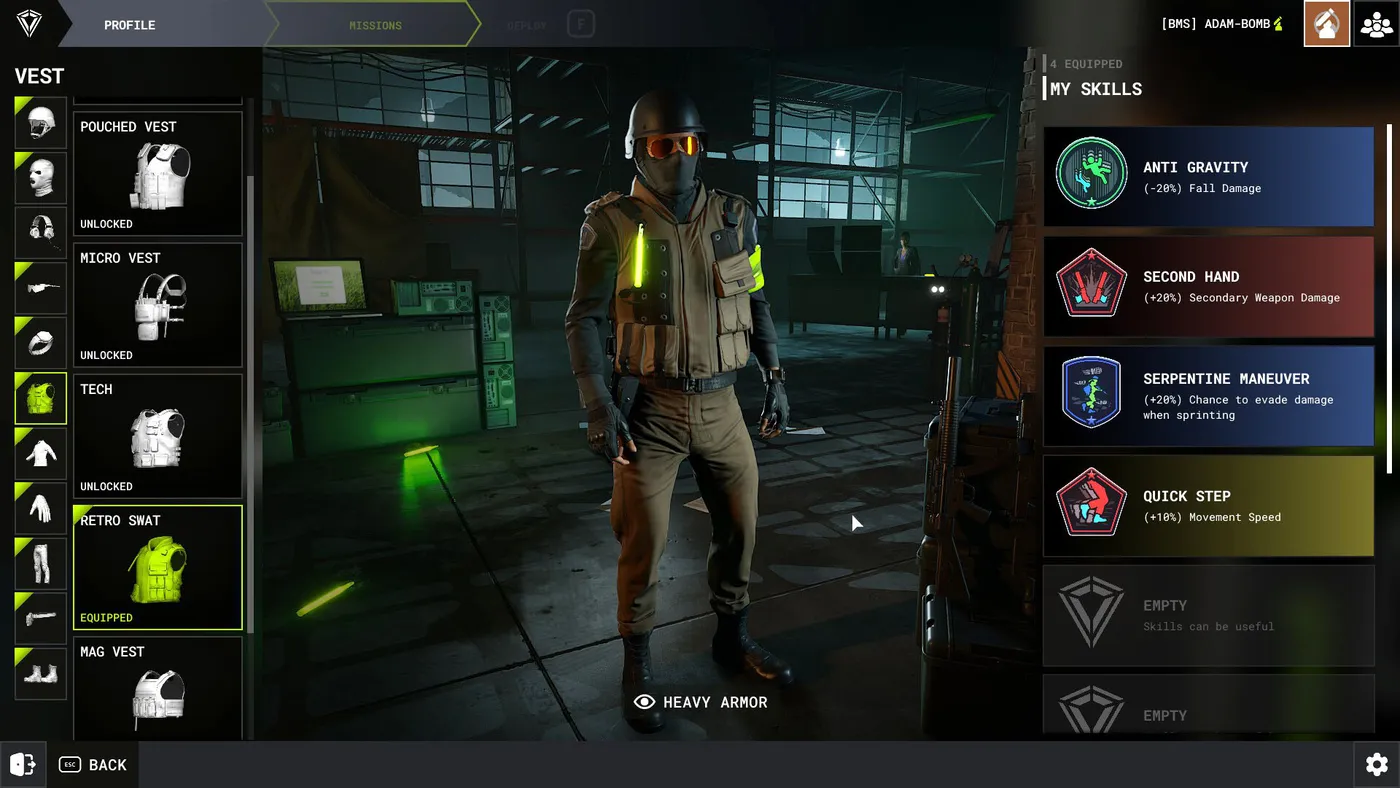
Dead Drops are Rogue Point’s signature risk-reward economy tool. They can hand your squad rare weapons and gear you cannot casually buy, but they also tempt teams into spending cash or opening optional rooms when the extract is already fragile.
Two ways Dead Drops appear
Loadout / campaign rolls. Between missions you can spend cash for a chance at high-tier gear. Costs can climb across a campaign phase and reset later, so rolling every spare credit is usually worse than banking stability for the next hard contract.
In-mission lockers. During raids, collect MERX phones, open supply rooms, and claim Dead Drop packages from lockers. One useful box can stabilize an underfunded teammate. Opening every optional room after the alarm is how good raids die.
Watch a first-look systems pass
The first-look footage below shows Dead Drop UI, intel reveals, and how squads talk through rolls in a live session. Use it to recognize the interface, then apply the decision rules that follow.
Decision rules before you roll
- Can the whole squad still buy armor, ammo support, and extract utility after the roll?
- Is someone carrying a weak primary into a hard HVT or 5-Star mission?
- Do you already have a free or discounted roll that would otherwise expire unused?
- Are you rolling because the team is healthy, or because you are bored between missions?
If answers 1–3 are weak, buy survival instead. Pair this guide with Dead Drops reference and Weapons Tier List so you know which outcomes actually upgrade your fail state.
In-mission greed rules
- Reveal stash rooms with intel when cash or Dead Drop value is the plan — not when the next room will kill you for lack of meds.
- Take one useful locker when healthy, then leave.
- After the objective, optional Dead Drop rooms are expensive. Reinforcements punish sightseeing.
- Share strong rolls. A purple gun on the weakest aim seat can save a campaign life.
Phones, supply rooms, and timing
Phones are campaign resources. Holding a few for later hard missions is often smarter than spending every phone the moment you see a door. When a later phase spikes difficulty, a timely locker can replace gear lost on a previous wipe. Cross-check Intel System so phone plans and intel spends do not fight each other.
After you win a roll
Attachments, ammo type, and role fit still matter. A rare gun with unmanageable recoil is worse than a mid-tier automatic you can control through doors. Visit Attachments, How to Get Better Weapons, and Loadout Planner before the next deploy.
Sibling guides
Continue with How to Extract Safely, How to Play, and How to Beat the 5-Star Merc so Dead Drop gains convert into campaign progress instead of highlight-reel wipes.
Banking versus swinging
Banking means skipping rolls to fund armor and extract tools. Swinging means spending for a power spike before a hard phase. Great squads do both across a campaign — never only swinging. If you cannot explain which mode you are in before the loadout screen closes, you are gambling on vibes.
Underfunded teammate protocol
When one player lost a kit on a wipe, prioritize their seat for the next roll or locker. A purple gun on the aim god while the entry seat holds a pistol creates false confidence and real campaign deaths.
Phones as scheduled resources
Think of phones as tickets for later difficulty spikes. Spending every phone on phase-one curiosity rooms often leaves you empty when Clinic or late modifiers arrive. Track phones the same way you track smokes.
Frequently Asked Questions
Quick answers for Rogue Point operators.
Should I always roll Dead Drops?
Only when the squad can still extract. A rare roll is worthless if the next room wipes the team.
How do mission Dead Drop lockers work?
Collect MERX phones, open supply rooms, take one useful box when healthy, then leave if ammo or armor is thin.
Do Dead Drop costs reset?
Costs can rise during a campaign phase and reset on the next phase. Plan rolls around campaign pacing, not every spare credit.