Rogue Point Review
Who will love this co-op raid shooter — and who should wait.
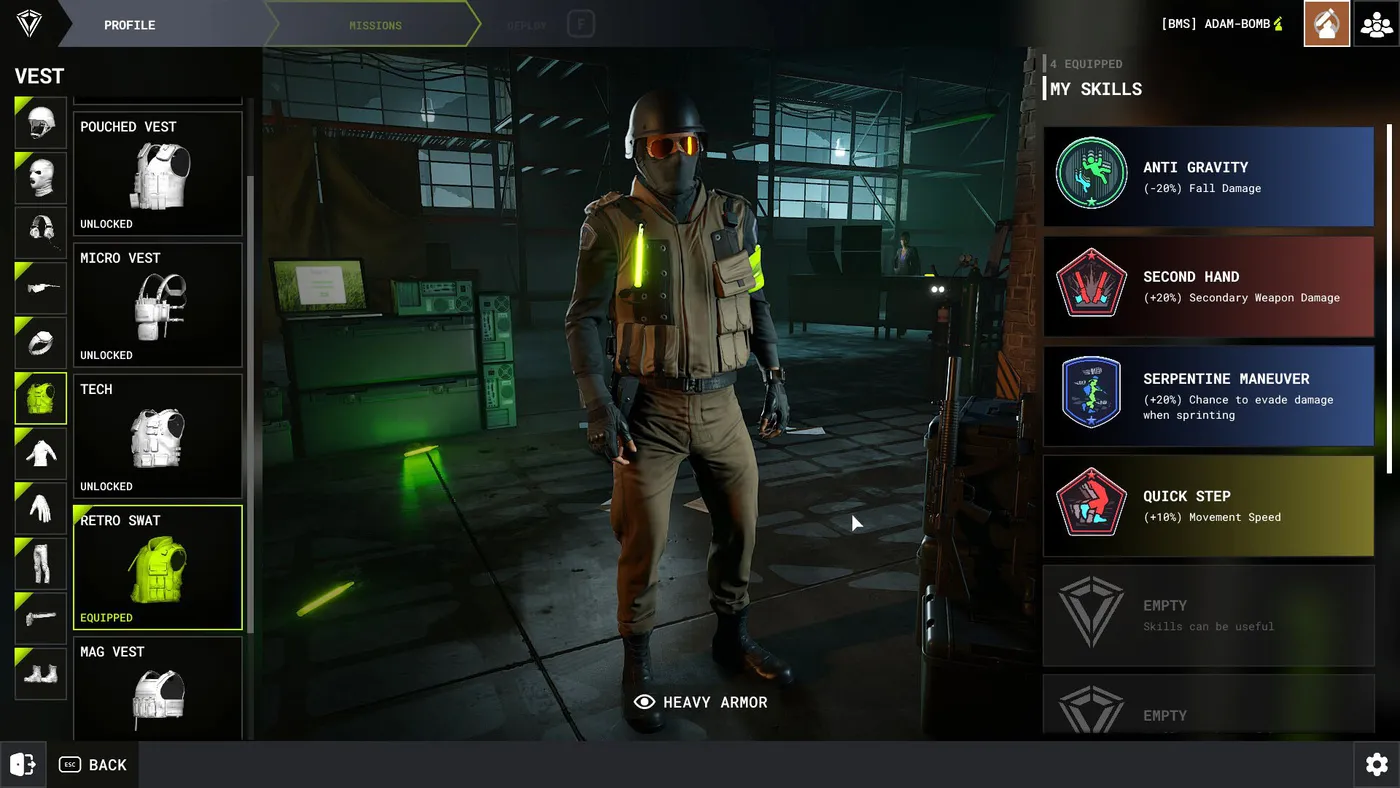
Rogue Point sits between tactical planning fantasy and fast co-op raid energy. Crowbar Collective’s pedigree and Team17 publishing put eyes on it; the systems underneath decide whether your squad stays.
Watch the tone piece
The 1.0 launch trailer and the earlier gameplay trailer are marketing, not review substitutes — but they communicate the get-in-get-out fantasy and the post-EA content bar clearly.
What works
- Gunfeel and emergent room fights when the stack communicates
- Planning phase plus parametric maps creating replayable contracts
- Dead Drop economy that forces real risk conversations
- MERX class identity that demands roles
- Campaign consequences that make extracts matter
- 1.0 additions: Clinic, Oil Rig boss, new weapons, and Workshop longevity — see Updates
Deepen these systems via How to Play, Dead Drops, and MERX Classes.
Friction to expect
- Identity tension between slower tactical habits and aggressive AI pressure
- Solo difficulty spikes and bot/AI frustration for some players
- Optimization variance across hardware
- Learning curve around backpack teamwork and ammo scarcity
If those sound like deal-breakers, wait for further patches. If they sound like solvable squad problems, use this wiki’s Tools and Guides.
Who should buy
Buy if you have two to three friends who will learn callouts. Be cautious if you only play solo and hate punishing extracts. Compare editions on Steam; Supporter extras are cosmetic and soundtrack flair, not a tactical advantage requirement.
Verdict framing
Rogue Point is a squad game pretending you can ignore the squad. Embrace roles, intel, and extract discipline, and the loop opens. Ignore them, and the mixed-review keywords write themselves. Continue with Campaign and Tier List.
Comparison mindset without fake scores
If you want Ready-or-Not pacing only, you may fight the AI density. If you want pure Payday chaos only, planning phases may feel slow. Rogue Point is deliberately hybrid. Buy it for the hybrid, or wait until the mix matches your taste after further updates.
How to use this wiki after purchase
Do not read every page on day one. Clear How to Play, Controls, Checklist, Extraction, then return after your first campaign wipe with specific questions. The review’s job is expectations; the guides’ job is repair.
Operator field notes for review index
Treat this page as a living checklist for Rogue Point rather than a novel. Before a session, skim the headings and decide which fail state you are solving tonight: doors, lanes, heavies, economy, or extract. After the session, rewrite one habit in your squad chat using language from this page so the next raid starts with shared vocabulary.
Planning board habits
Open the tactical map with microphones on. Narrate intel spends out loud. If nobody can explain why a reveal matters, skip it and buy survival gear instead. Parametric layouts punish silent Ready spam. The planning phase is where campaigns are won cheaply; gunfights are where you pay for planning mistakes.
Mid-raid repair loops
When a room breaks, reset to the previous doorway, reload behind cover, and reassign who owns the first angle. Do not “push to make up time.” Rogue Point’s campaign timer is your remaining lives, not a speedrun clock. If two players are dry, the objective marker can wait thirty seconds.
Extract contract
Agree that optional loot after the objective is banned unless every seat reports green on ammo, armor, and smoke. Say the ban out loud. Most wipes that feel random are actually unspoken greed. Dead Drops, stash rooms, and phones are tools — not obligations.
Economy honesty
Cash spent on a novelty gun while the smoke seat is empty is a team decision, not a personal flex. Share strong rolls. Fund armor before cosmetics. Keep an ammo plan that assumes level pickups will be scarce. If your lobby argues about skins more than extract utility, pause the campaign and reset priorities.
Role language
Keep four jobs in circulation even if players rotate: entry, smoke, long-lane, rear/utility. On three-player nights, merge rear into utility and accept slower clears. Solo operators must invent trade windows with utility and positioning because no teammate will create them.
Map personality reminders
Airport and oil-rig exteriors punish impatient peeks. Mall and clinic interiors punish tunnel vision on the wrong floor. Office corridors grade door discipline every thirty seconds. Learn the personality, then let parametric spawns surprise you inside a stable habit framework.
Enemy priority reminders
Snipers deny lanes. Berserkers deny space. Lookouts deny focus. Heavies deny magazines without a plan. Soldiers punish neglect during extracts. Call the denial piece first. The 5-Star Mercenary is a room-control exam wrapped around a damage check — clear geometry before ego peeks.
Tooling
Use the loadout planner when roles feel messy. Use the mission checklist before deploy, before the objective trigger, and before extract. Tools exist to make disagreements visible while you can still buy smoke.
After-action questions
- What almost wiped us?
- Which job was missing?
- Did we break the post-objective loot ban?
- What durable unlock did we still earn tonight?
Answer those four and this wiki page did its job — even if the campaign ended early.
Frequently Asked Questions
Quick answers for Rogue Point operators.
Is Rogue Point worth it with friends?
If your group likes tactical co-op with campaign consequences, yes. The design sings in a coordinated four-stack.
Is it good solo?
Playable but stricter. Expect less forgiveness and read the solo guide before committing.
How is performance?
Mixed reports exist around stutter and optimization. Check recent Steam notes for your hardware.